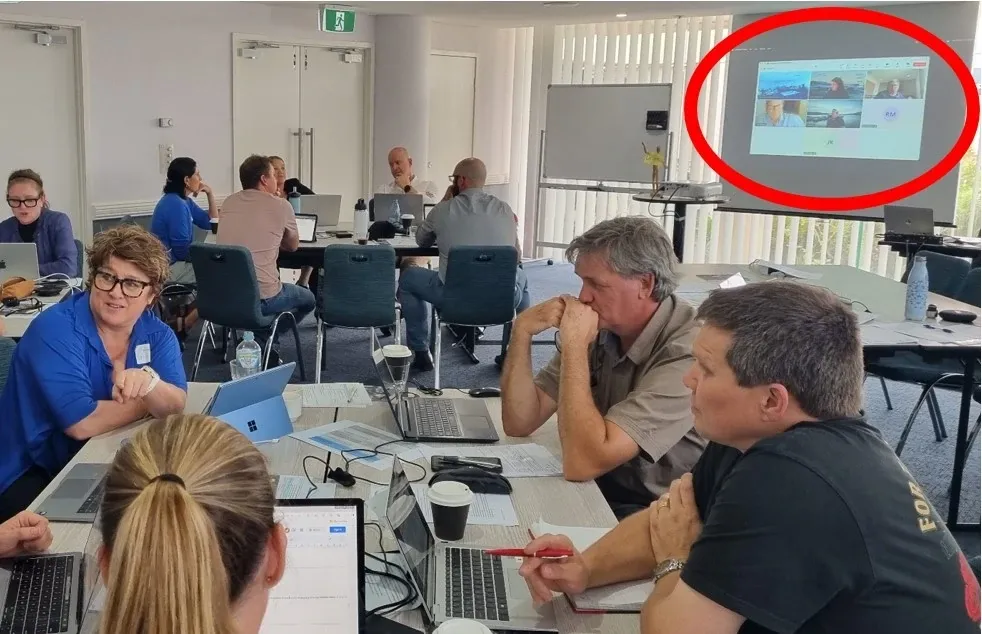
You know the feeling – there’s a big meeting coming up and you’re worried. There’s attendees coming who can’t stand each other. You just know [X] is going to dominate the conversation – again. And the group is going to end up covering the same old stuff they did for the last two meetings and never get anywhere – again. Sound familiar?
It’s time to call in… the external meeting facilitator!
Just making the decision itself is a great move – you’ll always get value from having an independent facilitator there. E
ven better, there are ways to get even more of out of your external meeting facilitator, so they can add maximum value for you and the whole group.
By helping the facilitator do their best work, you’ll get the outcomes you want from the meeting.
1. Put ‘find facilitator’ as one of the FIRST things on your to-do list.
We all know there are a lot of moving parts when you’re organising a meeting – attendee availability, venue availability, information availability, juggling everyone’s two cents about what should go on the agenda. It’s tempting to get all these things sorted first before you look for a meeting facilitator.
However, if you get your facilitator on board early, before everything’s decided, you’ll boost your chances of running the most effective meeting possible.
Drawing on their experience, and being outside the situation, an external facilitator will see things you hadn’t noticed and come up with suggestions you hadn’t considered. However, if you’ve already decided on the agenda and this is set in stone, it’s going to be hard for the facilitator to suggest improvements.
Here’s some of the value your meeting facilitator can add if they’re engaged early enough:
- Coordinate the pre-work. Depending on the purpose of the meeting, you’ll save a huge amount of time if you gather attendees’ thoughts before the meeting, to maximise the time available for discussion on the day. The meeting facilitator can be responsible for collating everyone’s input, which reassures the attendees that an independent person is overseeing this, and it’s one less task on your own to-do list in the lead-up to the meeting.
- Get the right people in the room. For some meetings it’s pretty obvious who needs to be there, but for others it’s not quite so clear cut. Do you need all 30 of those people in the room to make a decision? Is there someone missing that you haven’t thought of? Talk your guest list over with your facilitator – they may have some good points you hadn’t considered.
- Improve the timing and order of agenda items. External meeting facilitators have run dozens of meetings, so they have a good idea of how long agenda items will take, what order they should go in, and what process is best to use when.
2. Know what success looks like for your meeting.
- What deliverables or results do you want to walk away with at the end of the meeting? A decision? A list? A set of agreements?
- How do you want people to feel after the meeting?
- If this meeting is successful and achieves everything you want it to, what does that look like?
Share these answers with your facilitator, who can use this as a guide when designing the meeting process and managing the discussion on the day.
Your facilitator might also ask you some wide-ranging questions that don’t seem relevant, but they’re building up a useful picture of your group, your culture, how things are done, and what questions or issues might come up on the day. This is essential for them to tailor their approach and do their best work for your group.
3. Listen to your facilitator’s advice.
You’re not just paying for the facilitator’s prep time and delivery on the day. You’re paying for their experience and knowledge gained over years of observing and facilitating many meetings across a diverse range of groups.
There’ll always be good reasons behind the facilitator’s advice, drawing on all those previous meetings, and they’ll be keeping your goals in mind at all times.
Of course if the facilitator is suggesting something that would NOT work well with your group, by all means tell them. A good facilitator will want you to be comfortable with the process they’re proposing.
It can be daunting to surrender control of your meeting to someone else, especially if you’ve never worked with that facilitator before. Remember that while you and the other attendees are custodians of the meeting outcomes, you’re hiring the facilitator as custodian of the meeting process.
So trust the process, and trust the facilitator’s advice. When you wrap up that tricky meeting with your outcomes achieved and nods around the table, you’ll be glad that you did!
Ready to make your next meeting great? Book a free 30 min chat with me to discuss how I can design and facilitate a productive meeting that achieves your goals.
Learn more about my facilitation approach.
Like this blog? Subscribe here to be notified about articles like this one.